ODIN: Valhalla Rising is a large-scale mobile MMORPG that brings Norse mythology into a fully connected open world designed for long play sessions on smartphones. The game focuses on exploration, competitive combat and long-term character development, offering a structure closer to classic PC online role-playing titles than typical mobile releases.
Open World Structure and World Design
The world of ODIN: Valhalla Rising is built as a seamless environment without loading zones between major regions. Players can move freely across vast landscapes inspired by Nordic mythology, including Midgard, Jotunheim and other iconic locations. This approach creates a consistent sense of scale and continuity, which is still rare for mobile MMORPGs.
Environmental diversity plays an important role in gameplay pacing. Forests, frozen plains, mountain passes and ancient ruins are not just visual backdrops but functional spaces tied to quests, enemy behaviour and resource gathering. Day and night cycles further affect enemy density and event availability.
The open world is shared by thousands of players simultaneously. Dynamic events such as world bosses and faction conflicts appear directly on the map, encouraging cooperation or competition without isolating players into separate instances.
Exploration and World Interaction
Exploration in ODIN: Valhalla Rising is rewarded through hidden objectives, lore fragments and rare enemies. Players who actively travel off main quest routes can find equipment upgrades and materials that are difficult to obtain through standard progression paths.
Interactive elements include climbable terrain, destructible objects and area-specific mechanics. These systems make movement and positioning meaningful rather than purely cosmetic, especially in contested zones.
Fast travel exists but is intentionally limited by cost and location. This design choice encourages natural exploration and preserves the relevance of mounts and movement abilities.
PvP Systems and Competitive Gameplay
Player versus player combat is a core component of ODIN: Valhalla Rising rather than an optional side mode. PvP is integrated directly into the open world, with designated conflict zones where players can engage freely without strict matchmaking restrictions.
The game offers both small-scale skirmishes and large faction-based battles. These encounters rely heavily on positioning, skill timing and team coordination, making mechanical knowledge more important than raw statistics alone.
Regular PvP seasons introduce ranking systems and exclusive rewards. Progression resets are partial rather than full, allowing long-term players to retain meaningful advantages without discouraging newcomers.
Classes, Balance and Combat Mechanics
Each class in ODIN: Valhalla Rising fulfils a distinct tactical role in PvP. Warriors control space and absorb damage, rogues focus on burst attacks, while ranged classes apply pressure from distance using crowd control effects.
Combat is skill-based and action-oriented, with manual dodging, directional attacks and cooldown management. Automated systems are minimal, which places responsibility on player awareness and reaction speed.
Balance updates are released on a regular basis, adjusting skill scaling and equipment bonuses. These changes are informed by live server data rather than theoretical models, helping to maintain competitive integrity.
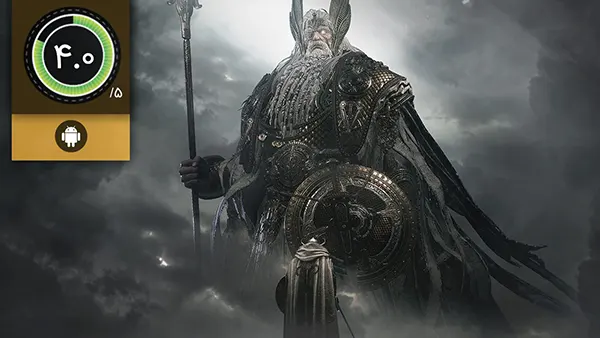
Character Progression and Long-Term Development
Character progression in ODIN: Valhalla Rising extends far beyond basic levelling. Experience points unlock core attributes, but true power growth comes from layered systems such as skill trees, gear enhancement and passive bonuses.
Equipment progression is tied to both PvE and PvP activities. High-tier items require participation in group content, reinforcing the social structure of the game.
The progression curve is intentionally gradual. Advancement is designed to reward consistent play rather than short bursts, which aligns with the game’s MMO-focused philosophy.
Skills, Equipment and Customisation
Skill development allows players to customise abilities based on preferred playstyle. Branching skill paths enable either sustained damage, control-focused builds or hybrid configurations.
Equipment enhancement includes upgrade levels, enchantments and set bonuses. Each layer adds incremental power but also introduces risk, as failed upgrades may require additional resources to recover.
Visual customisation is linked to progression rather than purely cosmetic purchases. Armour appearance reflects achievement milestones, making character identity visible within the game world.